The Beginnings: European Arrival
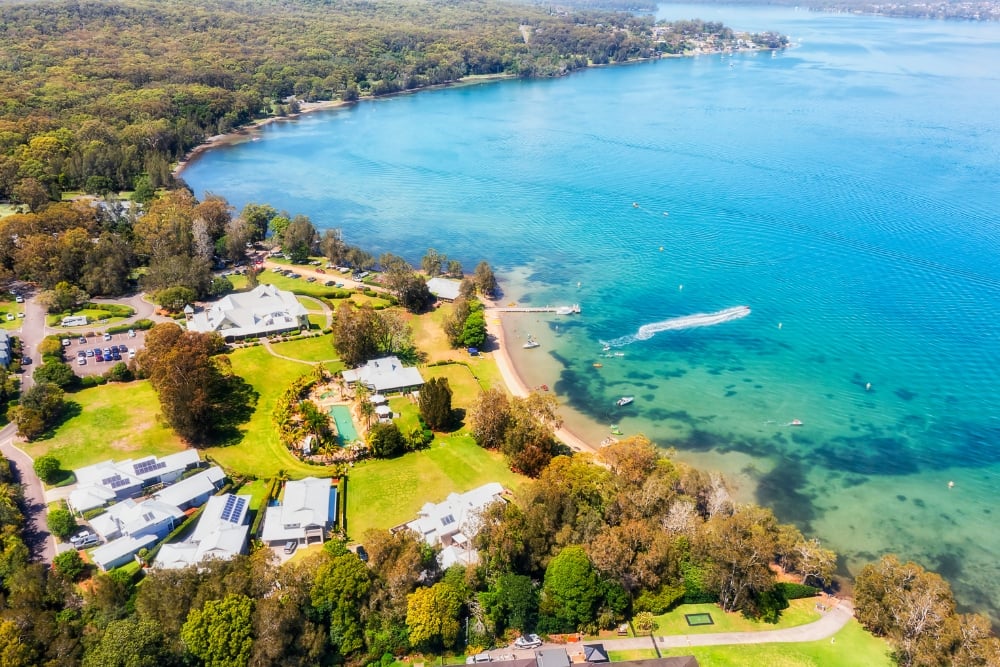
Sydney’s maritime history begins with the arrival of the First Fleet in 1788 when eleven ships carrying convicts, marines, and supplies from England anchored in Botany Bay. This historic event marked the beginning of European settlement in Australia and the transformation of the Sydney Cove area into a bustling port. Captain Arthur Phillip, who led the fleet, chose Sydney Cove for its deep harbour, fresh water supply, and strategic advantages, laying the foundation for Sydney’s maritime significance.
Growth of a Colonial Port
Throughout the 19th century, Sydney developed rapidly as a colonial port. The discovery of gold in the 1850s brought an influx of immigrants and increased maritime traffic, turning Sydney into a central hub for trade and commerce. The construction of significant infrastructure, such as wharves, warehouses, and dry docks, supported the booming economy. The Circular Quay, completed in 1855, became a focal point for shipping activities and played a vital role in the city’s expansion.
Maritime Innovations and Challenges
As Sydney’s port activities grew, so did the need for technological advancements and navigational aids. The construction of lighthouses, such as the Macquarie Lighthouse in 1818, and later, the Hornby Lighthouse in 1858, were essential in guiding ships safely into the harbour. The introduction of steamships in the mid-19th century revolutionised maritime transport, offering faster and more reliable services compared to traditional sailing ships. However, the port also faced challenges, including shipwrecks, labour disputes, and competition from other ports.
World War II and Its Aftermath
During World War II, Sydney Harbour was a critical naval base for the Allied forces in the Pacific. The harbour witnessed significant military activities, including the construction of fortifications and the deployment of naval ships. One of the most dramatic events was the attack by Japanese midget submarines in 1942, which highlighted the strategic importance of Sydney’s port. Post-war, the harbour saw a transition from military to commercial activities, with an emphasis on modernising facilities to accommodate larger vessels within the harbour.
The Modern Era: Cruise Ships and Tourism
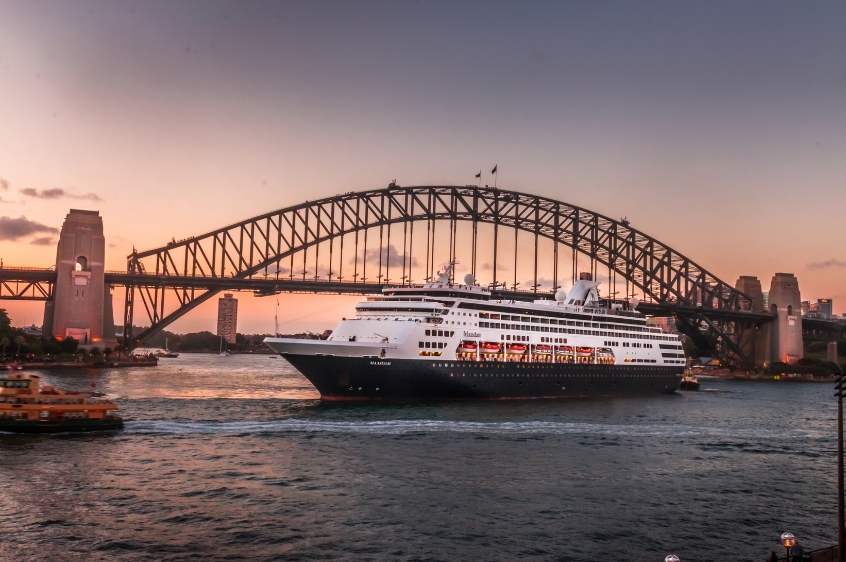
In the latter half of the 20th century, Sydney Harbour diversified its role, becoming a major destination for cruise ships and tourism. The opening of the Overseas Passenger Terminal at Circular Quay in 1960 marked a significant shift, allowing Sydney to welcome an increasing number of international visitors arriving by sea. The iconic Sydney Opera House, completed in 1973, further enhanced the harbour’s appeal, making it a focal point for both cultural events and tourism.
Sydney’s cruise industry flourished, contributing significantly to the local economy. The harbour became a regular stop for luxury liners, offering spectacular views of the Harbour Bridge and Opera House. The development of Darling Harbour into a premier entertainment and dining precinct further cemented Sydney’s status as a world-class tourist destination. Annual events such as the Sydney Hobart Yacht Race and the New Year’s Eve fireworks showcase the harbour’s enduring vibrancy and significance.
Conservation and Sustainability
With increased maritime activities came the need for conservation and sustainability measures to protect Sydney’s precious harbour environment. Efforts to preserve the harbour’s natural beauty and biodiversity have included initiatives to reduce pollution, manage waste from ships, and rehabilitate contaminated sites. The Sydney Harbour Federation Trust, established in 2001, plays a crucial role in safeguarding historical maritime sites and promoting sustainable development around the harbour.
Community and governmental efforts have also focused on protecting marine life and maintaining water quality. The introduction of strict regulations for shipping and boating activities, alongside public awareness campaigns, has helped mitigate the environmental impact of maritime operations. Restoration projects, such as the Barangaroo Reserve, highlight the city’s commitment to balancing urban development with ecological preservation.
Maritime Heritage and Education
Sydney’s rich maritime history is celebrated through various heritage sites and educational programs. The Australian National Maritime Museum, located in Darling Harbour, offers extensive exhibits on the country’s naval history, maritime exploration, and indigenous sea culture. Historic ships, such as the HMAS Vampire and the replica of Captain Cook’s HMB Endeavour, provide tangible links to Sydney’s nautical past.
Educational initiatives, including school programs and public lectures, aim to foster a deeper understanding of Sydney’s maritime heritage. Events like the Classic and Wooden Boat Festival and the Tall Ships Festival attract enthusiasts and visitors, highlighting traditional shipbuilding techniques and maritime craftsmanship. These activities ensure that Sydney’s maritime legacy is preserved for future generations to appreciate and learn from.
From Past to Present
Sydney’s maritime history is a testament to its evolution from a fledgling colonial port to a vibrant global city. The harbour has been the lifeblood of Sydney, shaping its development and identity through centuries of change and progress. From the early days of European settlement, through periods of rapid growth, technological advancements, wartime significance, and modern tourism, Sydney’s maritime story is rich and multifaceted.
As the city continues to grow and adapt to new challenges, the harbour remains a symbol of resilience and opportunity. The commitment to preserving its heritage while embracing sustainability reflects Sydney’s vision for a future where its maritime past and present coexist harmoniously. Through ongoing conservation efforts, educational programs, and cultural celebrations, Sydney’s maritime history will continue to inspire and captivate for generations to come. When coming to Sydney, invest in comfortable accommodations to ensure that you have all the time to explore the rich maritime history that Sydney has to offer. You won’t forget it!